
Introduction
English:
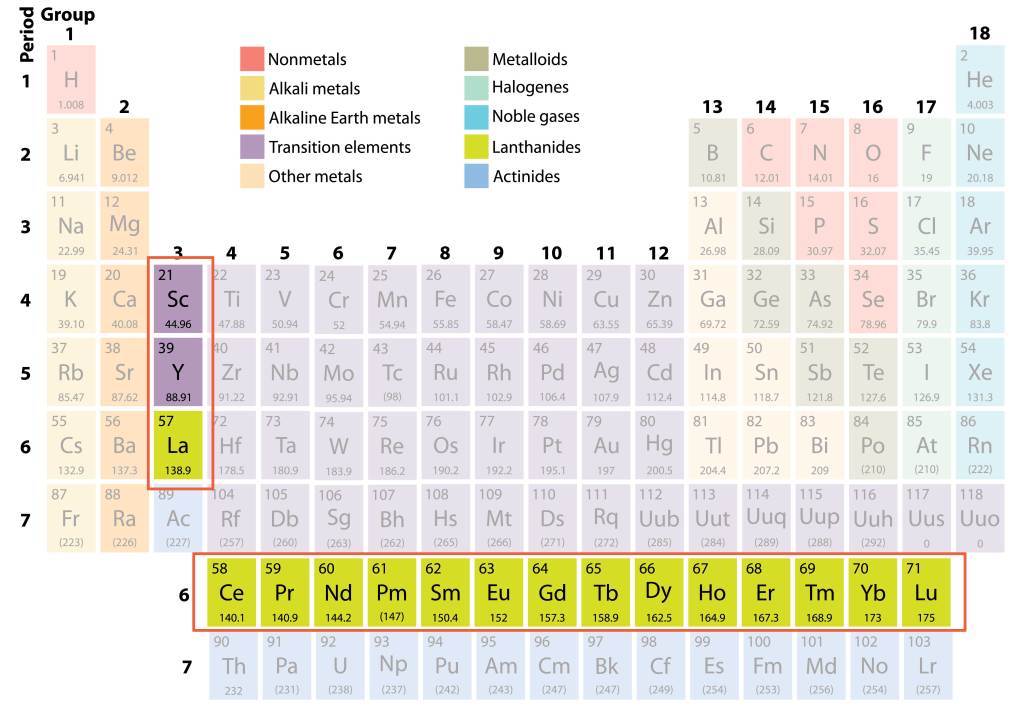
In a world racing toward electrification and digital dominance, the most valuable resources aren’t oil or gold they’re rare earth metals. These 17 elements fuel everything from smartphones and EV motors to defense systems and wind turbines. As China tightens its grip on exports nations like India face both urgent challenges and unprecedented opportunities. India must act swiftly to secure its supply chain and reduce reliance.
Hinglish:
Aaj ke zamaane mein jahan electric vehicles aur smart technology ne duniya badal di hai, sabse keemti cheez petroleum ya sone nahi, balki rare earth metals hain. In 17 elements ka istemal smartphones, EV motors, defense systems aur wind turbines tak hota hai. China ke export control ke baad, Bharat ke paas ek mauka hai apni supply chain majboot karne ka aur China par nirbhar kam karne ka.
What are Rare Earth Elements?
Rare earth elements are actually found quite commonly in the Earth’s crust, but getting them out and turning them into usable materials is a tough and expensive process. Right now, China handles about 90% of the world’s rare earth processing, which gives it a strong grip on industries that rely on these materials—like electronics, defense, and green energy.
Global Landscape: China’s Export Curbs & Impact
In April 2025, China restricted exports of seven key rare earth elements used in permanent magnets (autocarpro.in). These curbs rattled global supply chains, threatening production in EVs, electronics, aerospace, and defense. Major Indian automakers like Tata Motors and Maruti Suzuki reported concerns over potential production halts (reuters.com).
India’s Rare Earth Potential & Japan Exports
India has the fifth-largest reserves of rare earth elements around 6.9 million tons but it doesn’t process much of it within the country. For a long time, India was mostly exporting these valuable minerals, especially neodymium, to Japan. This was done under a deal with Toyotsu Rare Earths India, which is part of Toyota Tsusho (a Toyota Group company).(wikipedia)
- In 2024, over 1,000 metric tons (≈1/3 of IREL’s output) were shipped to Japan
- However, India is now pressing IREL to halt these exports, aiming to secure minerals for domestic use and bolster local processing.
Business Opportunities
Sona Comstar plans to start producing rare earth magnets domestically within two years to cut dependence on China (www.reuters.com)
Machinery Suppliers & Equipment
To build India’s rare earth ecosystem, essential equipment and processing technologies include key suppliers: (The below information has been sourced through Google)
- ANDRITZ Separation GmbH
Specialty: Filtration, separation, centrifuges
️ Use: Slurry separation, dewatering, drying of rare earths
Website: www.andritz.com
Ideal For: End-stage mineral processing
2. Siebtechnik Tema GmbH
Specialty: Mineral screening, sample prep equipment
Use: Particle size control in rare earth ores
Website: www.siebtechnik-tema.com
Ideal For: Pre-processing and beneficiation
3. Binder+Co AG (Germany Partnered)
Specialty: Optical and sensor-based sorting systems
️ Use: Sorting RE-bearing minerals from gangue
Website: www.binder-co.com
Ideal For: Ore upgrade & impurity reduction
4. Hosokawa Alpine
Specialty: Ultra-fine grinding and classification
️ Use: Powderizing rare earth oxides and compounds
Website: www.hosokawa-alpine.com
Ideal For: Final-stage processing, purity control
5. RHEWUM GmbH
Specialty: High-precision screening machines
️ Use: Mineral separation and size grading
Website: www.rhewum.com
Ideal For: Efficiency in ore refining
6. FLSmidth USA (Danish-American)
Specialty: Full plant solutions crushing to flotation
️ Use: Rare earth ore beneficiation
Website: www.flsmidth.com
Ideal For: Turnkey mineral processing plants
7. Eriez Magnetics USA
Specialty: Magnetic separators, vibratory feeders
️ Use: Magnetic separation of RE elements
Website: www.eriez.com
Ideal For: RE-rich ore concentration
8. General Kinematics
Specialty: Vibratory conveyors, feeders, screeners
️ Use: Ore movement and processing stages
Website: www.generalkinematics.com
Ideal For: Robust plant automation & handling
Challenges India Faces
- Extraction & processing gaps – India lacks large-scale refining plants and advanced separation tech.
- Geopolitical constraints – Export curbs by China, deals with Japan, and balancing diplomatic ties.
- High cost & timeline lags – Imported equipment, system-building timelines, and premium costs for non-Chinese outputs.
- Domestic capacity ramp-up – Even with initiatives like Sona Comstar, full self-reliance will take years.
Future Outlook & Strategic Vision
National Critical Mineral Mission (₹16,300 Cr) to boost exploration, processing, recycling, and stockpiling.(mining technology )
Incentivized partnerships – IREL is targeting 450 MT of neodymium by FY 2025–26 (doubling by 2030), and scouting for processing and magnet-making partners.(reuters.com)
Global shift toward supply security – India is in talks with Japan, Vietnam, and other countries to diversify raw material sources.
Industrial expansion – The rise of firms like Sona Comstar and big equipment suppliers signals early momentum toward indigenous capacity.
Conclusion
India is shifting from just exporting raw rare earth materials to becoming a serious player in processing and manufacturing them. With its large reserves, supportive government policies, growing corporate interest, and global partnerships, the country is stepping up in the rare earth game. This opens up big opportunities for entrepreneurs, investors, and policymakers whether it’s in mining, machinery, making magnets, or even recycling.
Frame to Fortune will keep you updated on every step of this exciting transformation.

Leave a comment