
Frame to Fortune

Exporting Ideas. Importing Success.

  • Future-Proof Industries: Why Health and Law Are Smart Investments

    Discover why legal and medical businesses remain the most future-proof industries. From HealthTech to LegalTech, explore opportunities in healthcare, law, compliance, and innovation that make these sectors safe bets for entrepreneurs and investors.

    Advertisements

    Why Legal and Medical Businesses Are the Safest Bets for the Future Economy

    In today’s fast changing world, businesses rise and fall at lightning speed. Startups are born overnight, industries get disrupted by technology, and consumer preferences evolve faster than ever before. But amid this uncertainty, some sectors stand tall resilient to economic downturns and always in demand. Two of these evergreen industries are the medical and legal businesses.

    Both sectors are not only essential to human society but also entering a phase of massive transformation fueled by technology, innovation, and global market needs. For entrepreneurs and investors searching for future-proof opportunities, healthcare and legal services remain the safest long-term bets.

    Hinglish

    Aaj ke fast changing world mein businesses lightning speed se rise aur fall ho rahe hain. Startups ek raat mein born ho jaate hain, industries technology se disrupt hoti hain, aur consumer preferences bhi bahut jaldi evolve karte hain. Lekin is uncertainty ke beech kuch sectors aise hain jo hamesha strong khade rehte hain economic downturns se resilient aur hamesha demand mein. Unhi evergreen industries mein se do sabse important hain: Medical aur Legal businesses.

    Dono sectors sirf human society ke liye essential hi nahi, balki ab ek naye transformation phase mein enter kar rahe hain technology, innovation aur global market needs ke saath. Entrepreneurs aur investors ke liye jo log future proof opportunities dhundh rahe hain, unke liye healthcare aur legal services sabse safe long-term bets hain.


    The Medical Business: Healthcare in Transformation

    Health is not optional it’s a necessity. This makes the medical business one of the most recession proof industries in existence. No matter the economy, people will always need doctors, medicines, and healthcare support. But what’s changing is how medical services are delivered and consumed.

    🔹 Growing Demand

    • Aging populations: By 2050, one in six people globally will be over 65, creating unprecedented demand for medical care.
    • Lifestyle diseases: Conditions like diabetes, heart disease, and obesity are on the rise, especially in developing countries.
    • Health awareness: Post-COVID, people are investing more in preventive and wellness care.

    🔹 Emerging Opportunities in Healthcare

    1. Telemedicine & Virtual Care – Patients can now consult doctors via apps, reducing costs and improving access.
    2. Mental Health Startups – Counseling, therapy platforms, and mindfulness apps are seeing huge adoption.
    3. Preventive Health, Fitness & Nutrition – From wearables to personalized diet plans, the wellness economy is booming.
    4. Biotech & Personalized Medicine – Tailor-made treatments based on genetics are unlocking billion-dollar opportunities.
    5. Affordable Rural Healthcare – In India and other emerging markets, Tier-2/Tier-3 cities offer untapped potential.

    🔹 Why It’s Recession-Proof

    Healthcare is essential when people fall sick, they don’t postpone treatment. Even in economic slowdowns, the medical sector remains steady, making it a safe, long-term business bet.


    Advertisements

    The Legal Business: Complexity Creates Opportunity

    As the economy grows more complex, so do the legal needs of businesses and individuals. Every new technology, regulation, or cross-border deal brings new legal challenges—and lawyers are essential to solving them.

    🔹 Why Demand is Rising

    • Startups and corporate need fundraising, contracts, and IP protection.
    • The digital economy brings cybersecurity, AI regulation, and data privacy laws.
    • Global trade requires cross-border compliance and tax expertise.
    • Everyday citizens need help with property, family disputes, and litigation.

    🔹 Emerging Opportunities in Legal Sector

    • Startup & Corporate Law – Supporting fundraising, acquisitions, and intellectual property rights.
    • Cyber Law & AI Regulations – As AI tools boom, compliance around ethics and privacy will grow.
    • Data Protection & Privacy Compliance – New laws like GDPR and India’s DPDP Act create consulting demand.
    • Online Dispute Resolution – Virtual courts and arbitration platforms will become mainstream.
    • LegalTech Startups – AI-driven contract review, automated compliance tools, and legal research platforms are growing fast.

    🔹 Why It’s Recession-Proof

    Legal services are not optional for businesses regardless of the economy, companies must remain compliant and individuals will always face disputes that require resolution. This makes legal businesses consistent and resilient.


    Where Legal Meets Medical

    The line between healthcare and law is getting thinner every year. As medical businesses adopt advanced technologies and expand across borders, legal frameworks are playing a critical role in ensuring patient safety, compliance, and ethical practices. This overlap is creating a fast-growing niche industry: medical law and healthcare compliance.

    🔹 1. Data Privacy & Patient Confidentiality

    Healthcare today generates enormous amounts of sensitive data—electronic health records, genetic information, insurance details, and more. This data is highly valuable but also vulnerable.

    • Regulations in place: HIPAA in the U.S., GDPR in Europe, and India’s DPDP Act.
    • Opportunity: Hospitals, clinics, and digital health startups need legal consultants and compliance officers to navigate these laws.
    • Future trend: As AI diagnostic tools and wearable devices collect more personal health data, demand for legal-medical advisory services will skyrocket.

    🔹 2. Biotech, Pharma, and Clinical Trials

    The pharmaceutical and biotechnology industries are highly regulated because they directly impact human lives.

    • Regulations in place: FDA approvals (U.S.), EMA (Europe), and CDSCO (India).
    • Key legal needs:
      • Patent protection for new drugs and biotech innovations.
      • Legal guidance on clinical trial protocols and patient consent.
      • Navigating international drug approval processes.
    • Opportunity: Startups working in genetic research, stem cells, or personalized medicine will need specialized legal advisors.

    🔹 3. Medical Malpractice & Patient Rights

    With greater awareness, patients are more willing to challenge hospitals and doctors legally.

    • Growing demand: Litigation around surgical errors, wrong diagnoses, negligence, or insurance disputes.
    • Legal-business opportunity: Law firms specializing in medical negligence and patient rights cases are thriving worldwide.
    • Healthcare-business opportunity: Hospitals need in-house legal teams to handle disputes and protect reputations.

    🔹 4. Telemedicine & Digital Health Regulations

    Telemedicine has exploded since COVID-19, but legal frameworks are still catching up.

    • Challenges:
      • Licensing issues (can a doctor in India consult a patient in other part of world ?).
      • Cross-border insurance coverage.
      • Validity of prescriptions issued via video consultations.
    • Opportunity: HealthTech startups offering Telemedicine platforms need continuous legal oversight for global operations.

    🔹 5. Insurance & Compliance

    The medical industry is tightly linked with insurance, and this creates complex legal challenges.

    • Example: Denial of claims, fraudulent insurance practices, or disputes over coverage.
    • Business potential: Legal services that focus on health insurance claims, settlements, and compliance.

    🔹 6. The Rise of Legal-Medical Advisory Firms

    In the near future, we’ll see more specialized firms that combine legal and medical expertise.

    These firms will serve as bridges between doctors, patients, regulators, and businesses.irms, a niche with massive future potential.

    Services they can offer:

    • Compliance audits for hospitals & HealthTech startups.
    • Legal frameworks for clinical trials and biotech research.
    • Patient rights consulting and insurance dispute management.

    These firms will serve as bridges between doctors, patients, regulators, and businesses.


    Advertisements

    Future Outlook: Opportunities for Entrepreneurs & Investors

    For anyone looking to start or invest in a future proof business, medical and legal sectors offer unmatched stability and growth.

    • Healthcare Tech (HealthTech) is one of the fastest-growing startup segments, expected to cross $660 billion globally by 2025.
    • LegalTech is expanding too, projected to reach $45 billion globally by 2030 as AI and automation take center stage.
    • Investors are actively funding startups that combine AI, compliance, and service delivery in both industries.

    For entrepreneurs, the key lies in adopting technology whether that’s building a Telemedicine app, launching a legal automation tool, or creating niche consulting services that combine both fields.


    Conclusion

    While trends come and go, two industries will never lose relevance healthcare and law. As the world becomes more digital, interconnected, and complex, the demand for doctors to heal and lawyers to protect will only grow stronger.

    For entrepreneurs, startups, and investors, the medical and legal businesses stand out as the safest and smartest bets for the future economy not just because they are recession-proof, but because they are evolving with technology in exciting new ways.

    If you’re looking to build or back the next big thing, start where the demand is eternal: health and law.

    Hinglish

    Trends aate hain aur chale jaate hain, lekin do industries aisi hain jo kabhi apni relevance lose nahi karegi Healthcare aur Law. Jaise jaise duniya zyada digital, interconnected aur complex hoti ja rahi hai, waise-waise demand doctors ki (jo heal kare) aur lawyers ki (jo protect kare) aur bhi strong hoti jaayegi.

    Entrepreneurs, startups aur investors ke liye, medical aur legal businesses future economy ke liye safest aur smartest bets hain sirf isliye nahi ki yeh recession proof hain, balki isliye bhi ki yeh technology ke saath evolve ho rahi hain aur naye exciting opportunities create kar rahi hain.

    Agar aap next big thing build karna chahte ho ya usme invest karna chahte ho, toh shuru karo waha se jahan demand hamesha rahegi: Health aur Law.
    Rating: 1 out of 5.

    Advertisements

  • Digital Manufacturing: How AI, 3D Printing & Automation Are Reshaping the Future of Industry

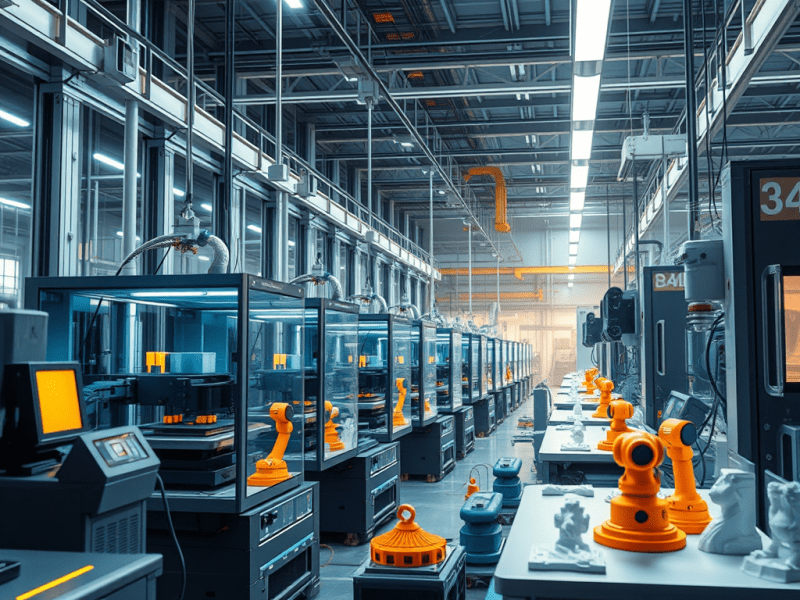
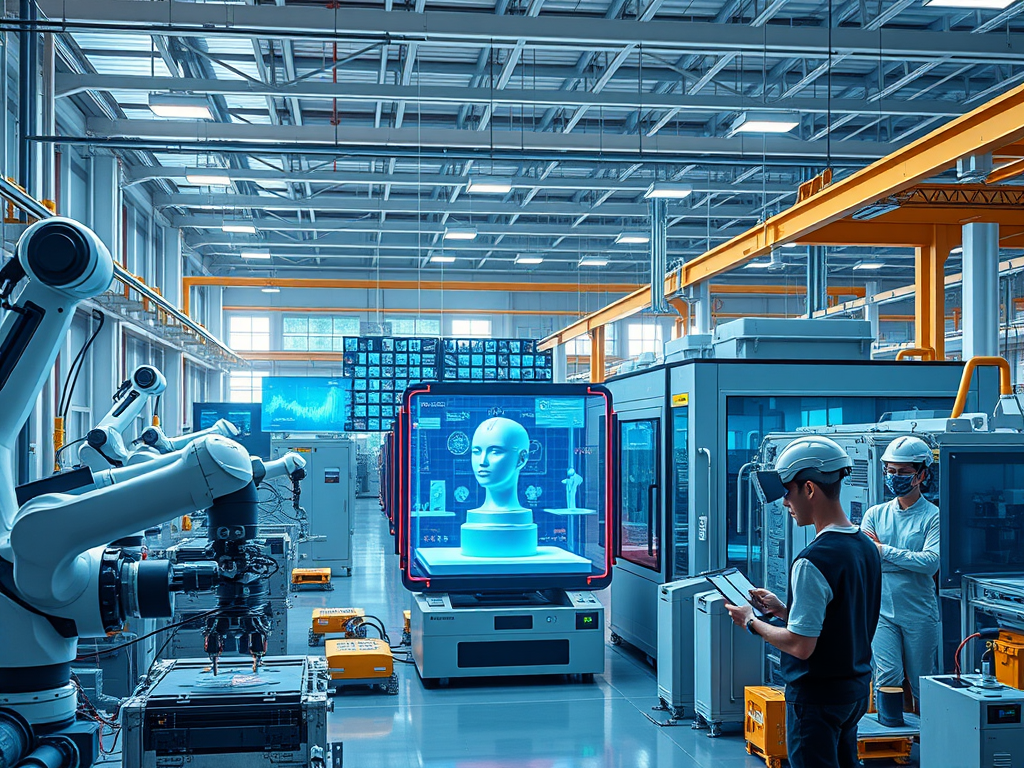
    In today’s fast-moving world, speed, accuracy, and sustainability are more important than ever. Because of this, traditional manufacturing is changing in big ways. Digital manufacturing using tools like Artificial Intelligence (AI), 3D printing, and automation is leading the way into what’s known as Industry 4.0.

    These advanced technologies aren’t just for giant factories or global companies anymore. Now, businesses of all sizes can use them to make smarter decisions, produce goods on demand, and offer more customized products. Whether it’s AI predicting when machines need repairs or 3D printers creating complex parts, this new way of manufacturing is changing how products are designed, built, and delivered.

    In this blog, we’ll break down how digital manufacturing is transforming industries, boosting innovation, cutting waste, and paving the way for a smarter and more sustainable future. Whether you’re a business owner, engineer, investor, or just curious this is your guide to the future of manufacturing.

    hinglish

    Aaj ke fast-moving world mein, speed, accuracy aur sustainability bahut hi important ho chuki hai. Isi wajah se traditional manufacturing bhi ab tezi se badal rahi hai. Digital manufacturing jo ki Artificial Intelligence (AI), 3D printing, aur automation jaise tools ka use karti hai ab Industry 4.0 ka core ban gayi hai.

    Ab ye advanced technologies sirf bade factories ya multinational companies tak simit nahi hain. Aaj har size ke business inka use karke smarter decisions le sakte hain, on-demand products bana sakte hain, aur customized solutions offer kar sakte hain. Chahe AI se machine ki breakdown pehle se predict karna ho ya 3D printers se complex parts banana ye naya manufacturing system pura process ko hi badal raha hai.

    Is blog mein hum dekhenge kaise digital manufacturing industries ko transform kar rahi hai, innovation ko boost kar rahi hai, waste ko reduce kar rahi hai, aur ek smarter, more sustainable future create kar rahi hai. Chahe aap business owner ho, engineer, investor ya bas tech ke shaukeen ye blog aapko future manufacturing ki ek clear picture dega.

    https://pagead2.googlesyndication.com/pagead/js/adsbygoogle.js?client=ca-pub-4610047145349526
    Advertisements

    What is Digital Manufacturing?

    Digital Manufacturing refers to the application of digital technologies across the entire manufacturing lifecycle from product design to production, logistics, and maintenance.

    It integrates CAD (Computer-Aided Design), CAM (Computer-Aided Manufacturing), data analytics, IoT, AI, and robotics into a unified system. This approach enhances visibility, speeds up innovation, and optimizes resource usage in real time.

    Key Characteristics:

    • Real-time data integration
    • Smart machines and systems
    • Digital twins of products or processes
    • Cyber-physical connectivity

    Artificial Intelligence in Manufacturing

    AI is transforming how decisions are made on the factory floor.

    1. Predictive Maintenance

    AI algorithms process sensor data to predict equipment failure. This proactive approach minimizes unplanned downtime, reduces repair costs, and extends machinery life.

    Example: Siemens uses AI to predict when its gas turbines need maintenance, saving millions annually.

    2. Quality Control

    Computer vision powered by AI can detect even microscopic flaws in products. This leads to fewer defective items, less waste, and better customer satisfaction.

    3. Process Optimization

    AI continuously learns from production data to identify bottlenecks, suggest improvements, and even auto-correct processes in real-time.

    Result: Higher productivity, leaner operations, and lower costs.

    3D Printing: Revolutionizing Production

    3D printing, or Additive Manufacturing, is enabling a shift from mass production to mass customization.

    Key Advantages:
    • Rapid Prototyping: Designers can go from concept to prototype in hours.
    • Tool-less Production: No need for costly molds or dies.
    • Complex Geometry: Manufacture shapes that are impossible via traditional methods.
    • Localized Manufacturing: Produce closer to the point of use, reducing logistics and emissions.

    Case Study: GE’s fuel nozzles for jet engines are now 3D printed as a single part replacing 20 individual components. This reduced weight, improved performance, and simplified the supply chain.

    Industries Benefiting from 3D Printing:
    • Aerospace
    • Medical (prosthetics, implants)
    • Automotive
    • Consumer Goods
    • Construction (3D-printed homes)

    Automation: The Rise of Smart Factories

    Automation isn’t new but today, it’s intelligent, adaptive, and interconnected.

    1. Robotics & Cobots

    Modern robots are agile, safe, and can collaborate with humans. Cobots enhance worker capabilities rather than replace them.

    2. IoT & Smart Sensors

    Machines now come with embedded sensors that monitor performance, wear and tear, and environment transmitting data to central systems for decision-making.

    3. Lights-Out Manufacturing

    In some advanced facilities, entire production lines run 24/7 with no human intervention. This is possible through the convergence of AI, robotics, and machine learning.

    Result: Consistent output, minimal human error, reduced operational costs.

    Digital Manufacturing & Sustainability

    The shift to digital also supports environmental goals.

    • Energy Efficiency: AI optimizes power usage based on workload and demand.
    • Material Savings: 3D printing uses only what’s needed zero excess.
    • Circular Economy: Digital platforms help track, reclaim, and recycle materials more efficiently.

    Emerging Trend: Integration of solar-powered factories and green automation systems with AI-enabled energy management.


    Benefits At a Glance

    FeatureBenefit
    AI-Driven AnalyticsFaster decisions, reduced downtime
    3D PrintingCustom products, rapid prototyping
    RoboticsHigh precision, low human error
    IoT SensorsReal-time monitoring
    AutomationRound-the-clock production
    Cloud IntegrationScalable, remote access
    Digital TwinsReal-time simulation & optimization
    SustainabilityReduced waste and carbon footprint
    Advertisements

    Industry Case Studies:

    Siemens

    Runs a fully digitized factory in Amberg, Germany. Over 1,200 products are manufactured daily with 99.9% accuracy, thanks to AI, IoT, and robotics.

    Ford

    Uses 3D printing to create tooling, saving time and cutting production costs by millions.

    Adidas

    Developed a “Speedfactory” in Germany using digital manufacturing to create customized shoes faster than ever before.

    What’s Next? The Future of Digital Manufacturing

    As innovation accelerates, the next frontier includes:

    • Digital Twins for full-scale factory simulations
    • Blockchain in supply chains for transparency and trust
    • Edge Computing for real-time machine intelligence
    • Human-AI collaboration platforms
    • Decentralized micro-factories for localized production
    • Integration of AR/VR for remote factory monitoring and training

    Final Thoughts: Embrace or Be Left Behind

    Digital manufacturing is not a trend it’s a transformation. Companies that adopt AI, 3D printing, and automation will lead the next industrial revolution. Those that don’t struggle to survive in a landscape driven by speed, customization, and data.

    The question isn’t “if” your business should go digital it’s “how fast” you can do it.

    Advertisements

    Actionable Steps for Businesses

    1. Start with pilot projects using AI or automation in non-critical areas.
    2. Upskill your workforce in digital tools and analytics.
    3. Invest in cloud-based manufacturing platforms.
    4. Collaborate with startups or tech partners.
    5. Measure ROI continuously to scale successfully.

    Conclusion: The Future is Being Built Today

    Digital manufacturing isn’t a distant vision it’s already here, reshaping how industries think, build, and grow. With AI optimizing operations, 3D printing enabling on-demand customization, and automation improving speed and accuracy, businesses can now be more efficient, flexible, and sustainable than ever before.

    Whether you’re a startup exploring rapid prototyping, a large-scale manufacturer streamlining supply chains, or an investor tracking emerging trends, digital manufacturing offers countless opportunities. Embracing these technologies is no longer optional it’s essential to stay competitive in a rapidly changing world.

    As we move deeper into the Industry 4.0 era, the companies that thrive will be those that combine digital intelligence with bold innovation. The tools are ready. The transformation has begun. The question is are you ready to build the future?

    Advertisements

  • From Waste to Wealth: Top Recycling Businesses in India for 2025 and Beyond

    Introduction: The $100 Billion Opportunity

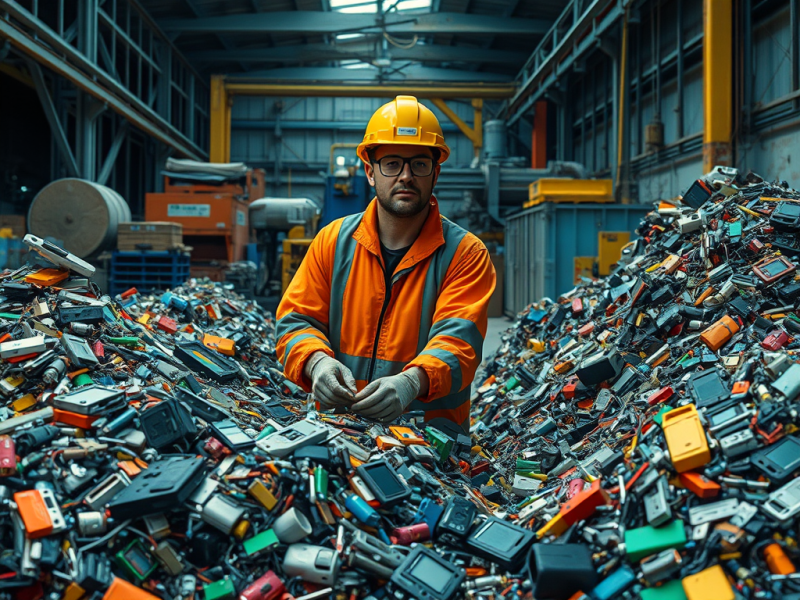
    As India surges toward industrial growth, it also generates massive amounts of electronic waste, metal scrap, and used vehicles. What most see as trash, forward-thinking entrepreneurs see as gold. The global recycling market is expected to cross $100 billion by 2030 and India is still scratching the surface. From urban mining of e-waste to metal recovery from old automobiles, the recycling sector offers high ROI, government backing, and growing demand. Here’s how you can turn waste into wealth.

    Hinglish

    Jaise jaise India industrial growth ki taraf badh raha hai, waise waise electronic waste, metal scrap aur purani gaadiyon ka dher bhi badh raha hai. Jo cheez zyada logon ko kachra lagti hai, wahi smart entrepreneurs ke liye sona hai. Global recycling market 2030 tak $100 billion (₹8 lakh crore) ka ho jayega aur India ne abhi sirf shuruaat ki hai. Chahe wo e-waste se rare metals nikalna ho ya purani gaadiyon se valuable parts recover karna, recycling ek aisa sector hai jahan ROI high hai, government ka support milta hai, aur demand lagataar badhti ja rahi hai. Aaiye dekhte hain kaise aap “waste ko wealth” mein badal sakte hain.

    Advertisements

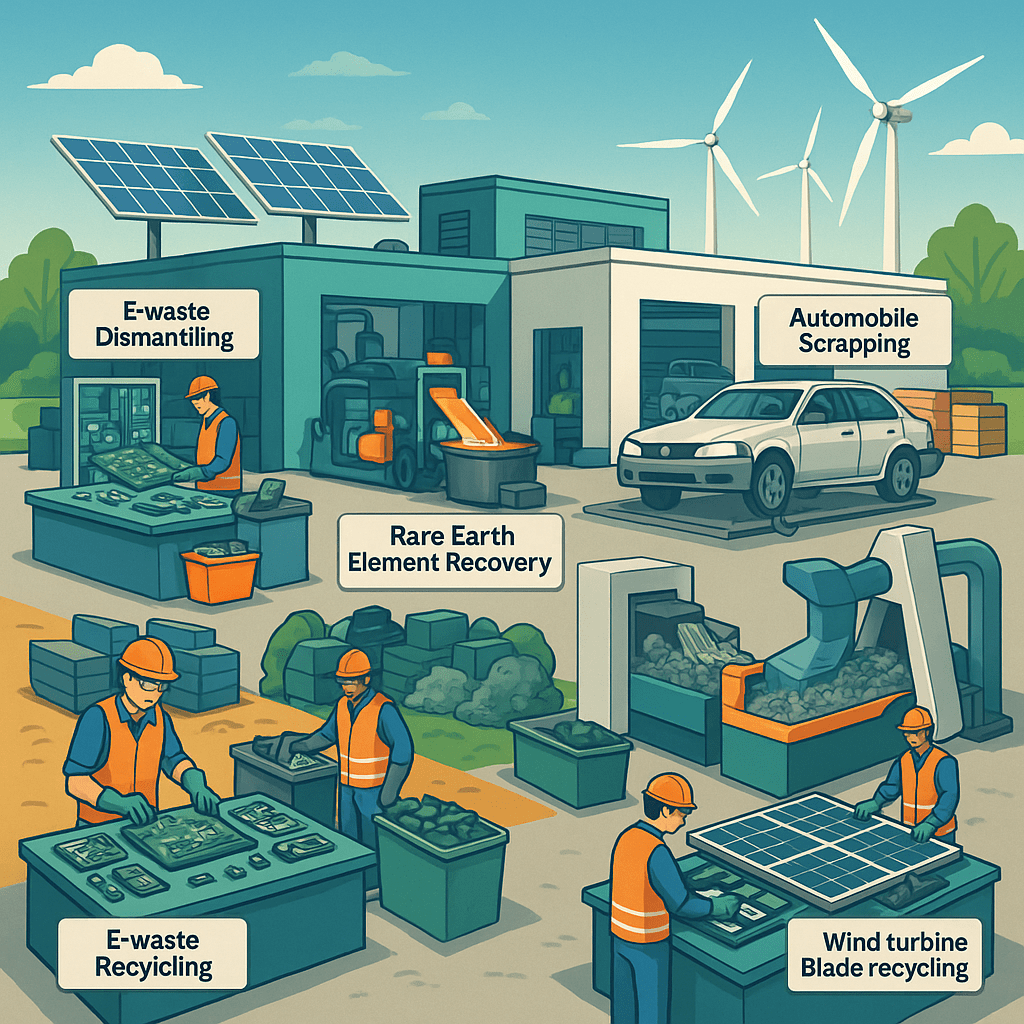
    1. E-Waste Recycling Business

    What’s in E-Waste?

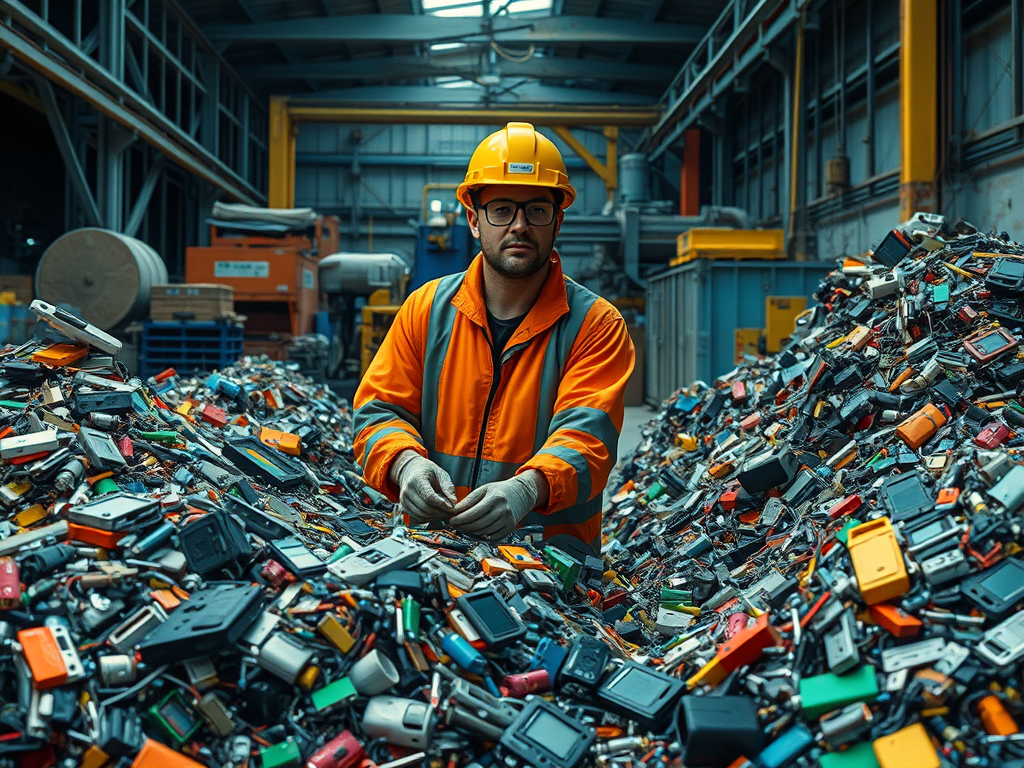
    Electronic waste includes discarded devices like computers, mobile phones, TVs, and servers. These gadgets are packed with valuable materials like:

    • Copper
    • Gold & Silver
    • Palladium
    • Rare Earth Elements (Neodymium, Lanthanum, Cerium)
    • Lithium and Cobalt (in batteries)

    Business Opportunities

    • Collection Centers: Source e-waste from households, offices, and companies.
    • Dismantling Units: Manual or semi-automatic units for safe disassembly.
    • Material Recovery Facilities: Extract metals and rare earths using chemical or thermal processes.
    • Precious Metal Refining: High-margin niche for gold, silver, and palladium recovery.

    Machinery Needed

    • Shredders & Crushers
    • Eddy current separators
    • Acid leaching tanks
    • Smelters & refining setups

    Challenges

    • Informal sector dominance
    • Toxic waste handling
    • Regulatory compliance

    Government Support

    The E-Waste Management Rules 2022 mandate Extended Producer Responsibility (EPR), opening B2B tie-up opportunities for recyclers.


    2. Metal Scrap Recycling (Aluminum, Copper, Steel)

    Why It’s Lucrative

    India imports large quantities of aluminum and copper despite massive domestic scrap generation. Recycling these metals saves energy (up to 95% in aluminum) and supports local industries.

    Business Models

    • Collection & Sorting Hubs: Industrial and household scrap aggregation.
    • Melting Units: Convert scrap into ingots or billets.
    • Value-Added Processing: Extrusion, rolling, and resale.

    Machinery Needed

    • Induction furnaces
    • Scrap balers & shears
    • Billet casting lines

    Market Insights

    • Copper scrap value: ₹600–700/kg
    • Aluminum scrap: ₹160–220/kg
    • Growing demand from construction, auto, and solar industries.

    3. Rare Earth Element Recovery

    The Hidden Treasure

    Rare Earth Elements (REEs) are critical for:

    • EV motors
    • Wind turbines
    • Smartphones
    • Defence & aerospace systems

    India has limited REE mining infrastructure, making recycling a strategic alternative.

    Where to Recover

    • Hard disks
    • LED lights
    • EV traction motors
    • LCD backlights

    Tech & Tools

    • Magnetic separation
    • Leaching tanks
    • Hydrometallurgy reactors
    • Solvent extraction systems

    Opportunities

    • B2B deals with electronics OEMs
    • Joint ventures with CSIR, DRDO, or IITs
    • Exporting refined REEs to global markets

    4. Automobile Recycling (End-of-Life Vehicles – ELVs)

    A Rising Sector

    India’s scrappage policy mandates recycling of commercial vehicles older than 15 years. With over 10 million vehicles expected to be scrapped in the next few years, this presents a massive opportunity.

    What Can Be Recovered?

    • Steel & Aluminum
    • Copper wiring
    • Used auto parts (engines, lights, panels)
    • Batteries & catalytic converters
    • Plastic and glass

    Business Setup

    1. Collection yard – tie-up with RTOs and used car dealers.
    2. Depollution – removal of oil, fuel, battery, coolants.
    3. Dismantling – extract usable parts.
    4. Shredding – separate metals from other waste.
    5. Recycling or resale – sell metals, parts, or feed to smelters.

    Revenue Sources

    • Scrap metal sale (steel, aluminum)
    • Refurbished parts
    • Battery recycling and resale
    • Alloy recovery from catalytic converters (contains platinum, palladium)

    5. Solar Panel & Wind Turbine Recycling

    Why It Matters

    India is targeting 500 GW of renewable energy by 2030. But early solar and wind installations are aging. Soon, they’ll require decommissioning and recycling creating a new green gold rush.

    Solar Panel Recycling

    What’s Inside?

    • 70% Glass
    • Aluminum Frames
    • Silicon Wafers
    • Silver, Copper
    • Plastic/EVA Sheets

    Business Opportunities

    • Glass reprocessing
    • Silver & copper recovery
    • Aluminum resale
    • Refurbishment & resale of old panels

    Machinery Needed

    • Panel shredders
    • Thermal delamination units
    • Metal separation systems

    Insight

    By 2030, India may generate 2 lakh+ tonnes of solar waste perfect for niche recyclers.


    6. Wind Turbine Recycling

    What Can Be Recycled?

    • Steel towers
    • Aluminum housing
    • Copper wiring
    • Rare Earth Magnets
    • Fiberglass Blades

    Blade Recycling Options

    • Cement kilns (as fuel)
    • Road filler
    • Construction insulation

    Revenue Models

    • Dismantling contracts
    • Blade repurposing
    • Rare earth recovery

    7. Future Outlook & Global Trends

    • Urban Mining will power next-gen resource recovery.
    • Carbon Credits for eco-conscious recyclers.
    • Automation & AI will improve sorting and material purity.
    • Policy Push for solar and EV battery recycling.
    • Premium on recycled metals in global green supply chains.
    Advertisements

    Conclusion: Turn Trash Into Treasure

    Recycling is no longer just an environmental need it’s a strategic business opportunity. From dismantling a solar panel to extracting rare earths from an old laptop, every piece of scrap holds value. As India moves toward circular economy principles and sustainability goals, recycling businesses will form the backbone of material independence.

    Whether you’re a first-time entrepreneur or an industrial player looking to diversify, the waste economy is your next goldmine.

    Advertisements
  • India’s Rare Earth Metals: Securing a Critical Supply Chain

    Introduction

    English:
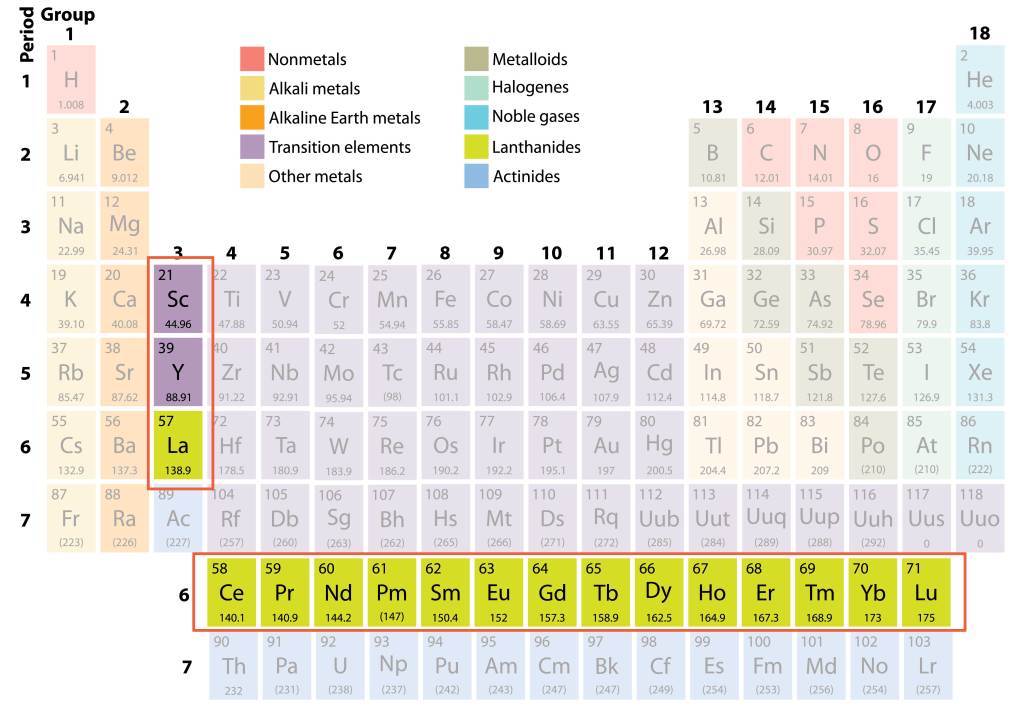
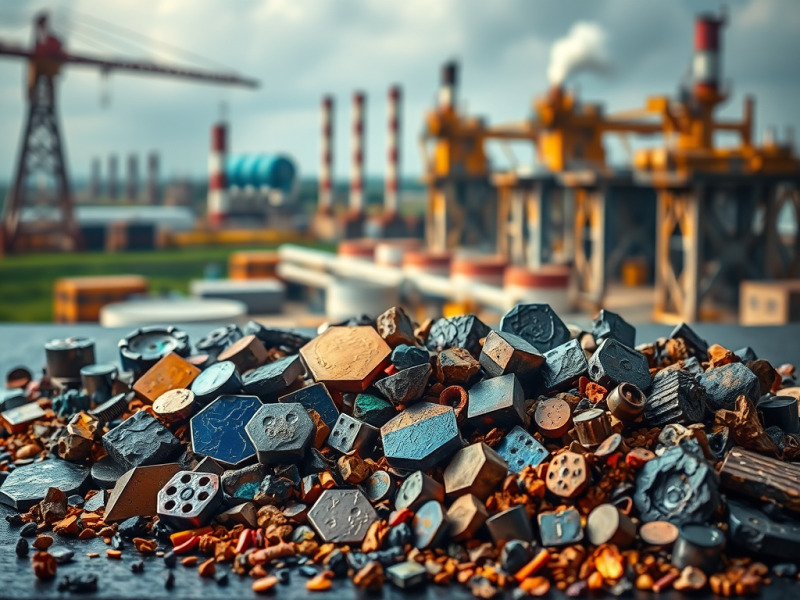
    In a world racing toward electrification and digital dominance, the most valuable resources aren’t oil or gold they’re rare earth metals. These 17 elements fuel everything from smartphones and EV motors to defense systems and wind turbines. As China tightens its grip on exports nations like India face both urgent challenges and unprecedented opportunities. India must act swiftly to secure its supply chain and reduce reliance.

    Hinglish:
    Aaj ke zamaane mein jahan electric vehicles aur smart technology ne duniya badal di hai, sabse keemti cheez petroleum ya sone nahi, balki rare earth metals hain. In 17 elements ka istemal smartphones, EV motors, defense systems aur wind turbines tak hota hai. China ke export control ke baad, Bharat ke paas ek mauka hai apni supply chain majboot karne ka aur China par nirbhar kam karne ka.

    Advertisements

    What are Rare Earth Elements?

    Rare earth elements are actually found quite commonly in the Earth’s crust, but getting them out and turning them into usable materials is a tough and expensive process. Right now, China handles about 90% of the world’s rare earth processing, which gives it a strong grip on industries that rely on these materials—like electronics, defense, and green energy.

    Global Landscape: China’s Export Curbs & Impact

    In April 2025, China restricted exports of seven key rare earth elements used in permanent magnets (autocarpro.in). These curbs rattled global supply chains, threatening production in EVs, electronics, aerospace, and defense. Major Indian automakers like Tata Motors and Maruti Suzuki reported concerns over potential production halts (reuters.com).

    India’s Rare Earth Potential & Japan Exports

    India has the fifth-largest reserves of rare earth elements around 6.9 million tons but it doesn’t process much of it within the country. For a long time, India was mostly exporting these valuable minerals, especially neodymium, to Japan. This was done under a deal with Toyotsu Rare Earths India, which is part of Toyota Tsusho (a Toyota Group company).(wikipedia)

    • In 2024, over 1,000 metric tons (≈1/3 of IREL’s output) were shipped to Japan
    • However, India is now pressing IREL to halt these exports, aiming to secure minerals for domestic use and bolster local processing.

    Business Opportunities

    Sona Comstar plans to start producing rare earth magnets domestically within two years to cut dependence on China (www.reuters.com)

    Machinery Suppliers & Equipment

    To build India’s rare earth ecosystem, essential equipment and processing technologies include key suppliers: (The below information has been sourced through Google)

    1. ANDRITZ Separation GmbH
      Specialty: Filtration, separation, centrifuges
      ️ Use: Slurry separation, dewatering, drying of rare earths
      Website: www.andritz.com
      Ideal For: End-stage mineral processing

      2. Siebtechnik Tema GmbH
      Specialty: Mineral screening, sample prep equipment
      Use: Particle size control in rare earth ores
      Website: www.siebtechnik-tema.com
      Ideal For: Pre-processing and beneficiation

      3. Binder+Co AG (Germany Partnered)
      Specialty: Optical and sensor-based sorting systems
      ️ Use: Sorting RE-bearing minerals from gangue
      Website: www.binder-co.com
      Ideal For: Ore upgrade & impurity reduction

      4. Hosokawa Alpine
      Specialty: Ultra-fine grinding and classification
      ️ Use: Powderizing rare earth oxides and compounds
      Website: www.hosokawa-alpine.com
      Ideal For: Final-stage processing, purity control

      5. RHEWUM GmbH
      Specialty: High-precision screening machines
      ️ Use: Mineral separation and size grading
      Website: www.rhewum.com
      Ideal For: Efficiency in ore refining

      6. FLSmidth USA (Danish-American)
      Specialty: Full plant solutions crushing to flotation
      ️ Use: Rare earth ore beneficiation
      Website: www.flsmidth.com
      Ideal For: Turnkey mineral processing plants

      7. Eriez Magnetics USA
      Specialty: Magnetic separators, vibratory feeders
      ️ Use: Magnetic separation of RE elements
      Website: www.eriez.com
      Ideal For: RE-rich ore concentration

      8. General Kinematics
      Specialty: Vibratory conveyors, feeders, screeners
      ️ Use: Ore movement and processing stages
      Website: www.generalkinematics.com
      Ideal For: Robust plant automation & handling

    Challenges India Faces

    1. Extraction & processing gaps – India lacks large-scale refining plants and advanced separation tech.
    2. Geopolitical constraints – Export curbs by China, deals with Japan, and balancing diplomatic ties.
    3. High cost & timeline lags – Imported equipment, system-building timelines, and premium costs for non-Chinese outputs.
    4. Domestic capacity ramp-up – Even with initiatives like Sona Comstar, full self-reliance will take years.
    Advertisements

    Future Outlook & Strategic Vision

    National Critical Mineral Mission (₹16,300 Cr) to boost exploration, processing, recycling, and stockpiling.(mining technology )

    Incentivized partnerships – IREL is targeting 450 MT of neodymium by FY 2025–26 (doubling by 2030), and scouting for processing and magnet-making partners.(reuters.com)

    Global shift toward supply security – India is in talks with Japan, Vietnam, and other countries to diversify raw material sources.

    Industrial expansion – The rise of firms like Sona Comstar and big equipment suppliers signals early momentum toward indigenous capacity.

    Conclusion

    India is shifting from just exporting raw rare earth materials to becoming a serious player in processing and manufacturing them. With its large reserves, supportive government policies, growing corporate interest, and global partnerships, the country is stepping up in the rare earth game. This opens up big opportunities for entrepreneurs, investors, and policymakers whether it’s in mining, machinery, making magnets, or even recycling.

    Frame to Fortune will keep you updated on every step of this exciting transformation.

    Advertisements